
Getting there & onward travel
From Hamburg or Berlin to the Warnow, from Trelleborg to Malmö, Gothenburg or Stockholm. Here's how to plan the journey before and after the ferry.
- Hamburg - Rostock: around 200 km
- Trelleborg - Malmö: around 30 km
- Trelleborg - Gothenburg: around 300 km
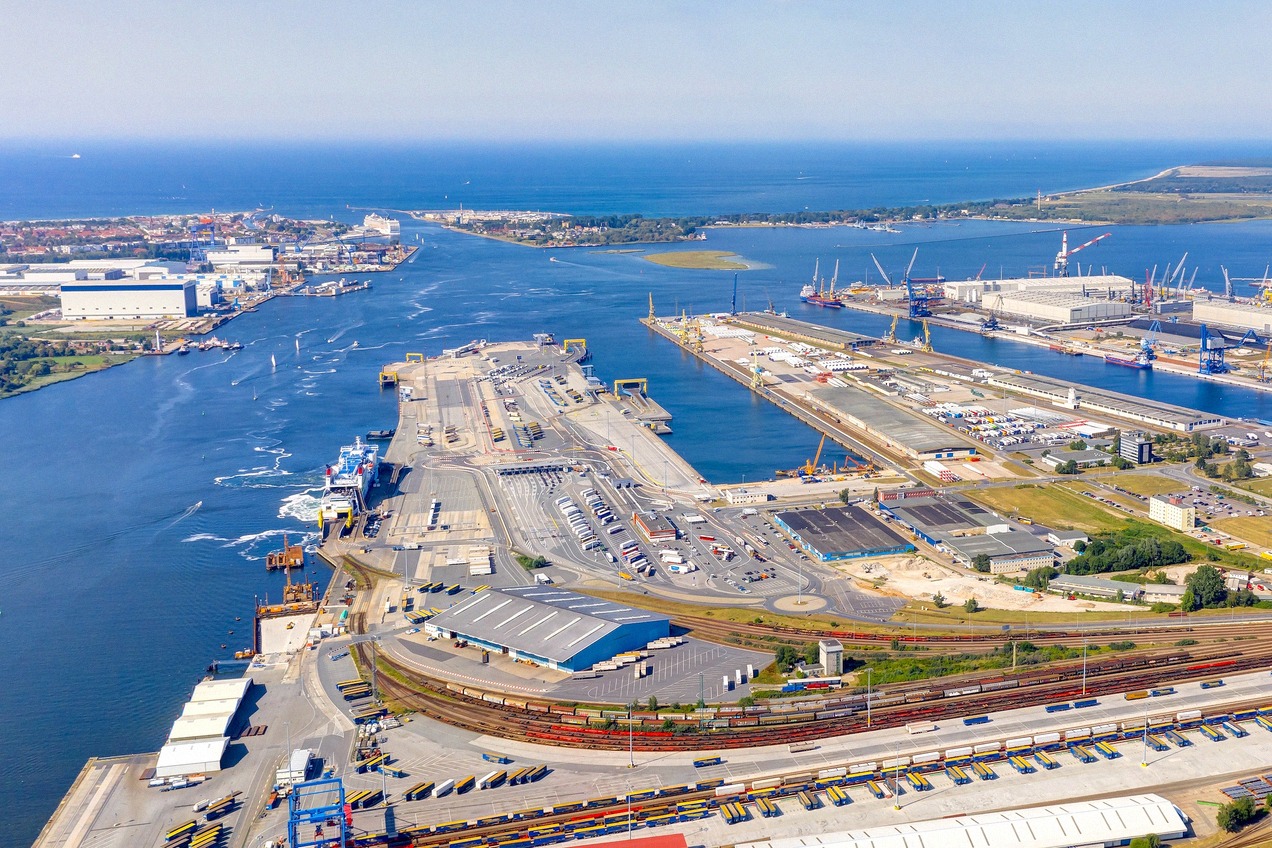
Your journey before and after the ferry
Table of Contents
Rostock - Trelleborg is the direct route between northern Germany and southern Sweden: the A19 ends at the ferry port, and from Trelleborg it's around 30 kilometres to Malmö. How you plan the drive before and after the ferry depends on where you're coming from and whether you're travelling by car or by rail and bus.
By car to Rostock
Rostock port (Überseehafen) sits at the end of the A19, so you drive straight to the terminal with no detour through the city.
- Coming from the west, via Hamburg: take the A1 to Lübeck, then the A20 to the junction with the A19, then north to the Rostock Überseehafen exit. From Hamburg it's around 200 kilometres, about two hours.
- Coming from the south, via Berlin: take the A24 to the Wittstock interchange, then the A19 north to the port. From Berlin it's around 230 kilometres, a good two hours.
Build in a buffer for roadworks and holiday traffic: Stena Line closes check-in 60 minutes before departure, TT-Line for vehicles 30 minutes before. The terminals and parking options are described on the Rostock ferry port page.
By rail and bus to Rostock
Without a car, travel to Rostock by rail and then take local transport to the port. Buses stop at Seehafen Fähre, right in front of Stena Line's Ferry Centre: take S-Bahn line S1 towards Warnemünde to Lütten Klein and then bus 45 or 49, or tram 2 or 3 to Dierkower Kreuz and then bus 45, 49 or 19. Buses run every 30 minutes Monday to Saturday and hourly on Sundays. With TT-Line you can only travel on foot on departures and arrivals between 05:00 and 24:00.
Arrival in Trelleborg
Trelleborg sits at the southern tip of Skåne, and the port borders the town centre directly. By car you drive straight from the ramp onto the road. Arriving on foot, you're quickly in the centre and at Trelleborg Centralstation; cyclists arriving with TT-Line leave the port by shuttle bus. More on the port is on the Trelleborg ferry port page.
Onward by car
- Malmö: around 30 kilometres via the E22 and the E6.
- Ystad: around 45 kilometres via road 9 and the E65.
- Gothenburg and the west coast: around 300 kilometres on the E6 north, a good three and a half hours.
- Stockholm: around 640 kilometres via the E6 and the E4, a good seven hours of driving.
On a day ferry you arrive anywhere from midday to late evening depending on the departure; for Gothenburg or Stockholm, an overnight stop in Skåne is then worth it. The night ferry gets you to Trelleborg early in the morning, giving you the whole day for the onward drive.
Onward by rail and bus
Trelleborg Centralstation has the Pågatåg, Skånetrafiken's regional train, and Skånetrafiken buses also stop there; taxis wait at the station. The check-in points for the return crossing are here too: TT-Line inside the station itself, Stena Line a few minutes away on Hamngatan.
The return journey
For the return crossing to Germany, head to Norra Nyhamnsgatan in Trelleborg, TT-Line at number 1b, Stena Line at 1A. From Gothenburg or Stockholm, the E6 runs south past Malmö. With TT-Line, check-in for vehicles opens three hours before departure, or one hour before for night departures between 23:30 and 06:00. All the deadlines are on the Check-in page, and both ferry companies' departures are in the timetable.
FAQ
Frequently asked questions about getting there
How far is it from Hamburg to Rostock? +
Around 200 kilometres to the port via the A1 and the A20, about two hours without traffic. From Berlin it's around 230 kilometres via the A24 and the A19.
How do I reach Rostock ferry port without a car? +
By S-Bahn line S1 to Lütten Klein or tram 2 or 3 to Dierkower Kreuz, then by bus to Seehafen Fähre. Details are on the Foot passengers & bicycles page.
How long does it take from Trelleborg to Stockholm? +
Around 640 kilometres, a good seven hours of driving via the E6 and the E4. If you arrive on the night ferry, you'll have the whole day for the drive.
Plan your crossing
Choose the departure that fits your journey; all times for both ferry companies are in the timetable.